
Croatia Food & Drink Tours
Plenty of visitors eat the same grilled fish and pizza for a week, then go home thinking that’s Croatian food. Croatia Food & Drink Tours show the rest of it. That means slow-cooked peka, oysters pulled from the water at Ston, truffles in Istria and wines that rarely leave the country. A good local guide also tells you where people actually eat.
Croatian food changes a lot from region to region. The coast cooks with olive oil, fish and herbs, and the north and east use paprika, pork and rich stews. Italian, Austrian, Hungarian and Turkish influences all show up on the plate.
This page helps you choose the right type of food or wine trip, the right region and the right time of year. Then use the grid to find a tour that fits. Come hungry, and don’t plan a big lunch for the same day.
Key Takeaways
- Croatia Food & Drink Tours include wine tastings, market walks, cooking classes, truffle hunts and oyster trips.
- The top regions are Istria for truffles, olive oil and wine, Pelješac for red wine and oysters, and Dalmatia for seafood and peka.
- Try local dishes like peka, pašticada, black risotto, Pag cheese and pršut.
- Autumn is the best season, with grape harvest, olive harvest and white truffles.
- Tell the operator about dietary needs before you book. Many tastings are heavy on meat, fish and cheese.
- Don’t drive after a wine tour. Pick a trip with transport included.
Why Croatia Is Great for Food and Drink Travel
It comes down to variety. In one country you get Mediterranean coast, green hills, mountains and the flat farmland of Slavonia. Each one grows and cooks something different.
On the coast, the food is simple and fresh. Think fish, olive oil, wild herbs, Swiss chard and lamb. Inland, you’ll find štrukli, a cheese-filled pastry from the Zagreb area. Slavonia has kulen, a spicy paprika sausage, and fish stew made with river fish.
The wine is a big part of it. Croatia has dozens of local grape varieties you won’t find on most wine lists abroad. Most wineries are small, family-run places where the person pouring is often the one who made it.
And much of the food is still made at home or on family farms. Look for signs saying OPG, which marks a registered family farm. Many sell cheese, honey, oil or rakija straight from the door.
The Croatian National Tourist Board’s official site lists food festivals and wine roads by region. That’s handy for planning around harvest time.
Popular Types of Croatia Food & Drink Tours
Most Croatia Food & Drink Tours fall into a few groups. Here’s what each one is like and who it suits.
Market and street food walks
City food walks usually start at the morning market. That’s Dolac in Zagreb, the green market in Split or Gruž in Dubrovnik. Then you taste your way through cheese, pršut, olive oil, pastries and local snacks. Expect two to four hours and a lot of small bites. It’s a good first day in a new city.
Wine tasting tours
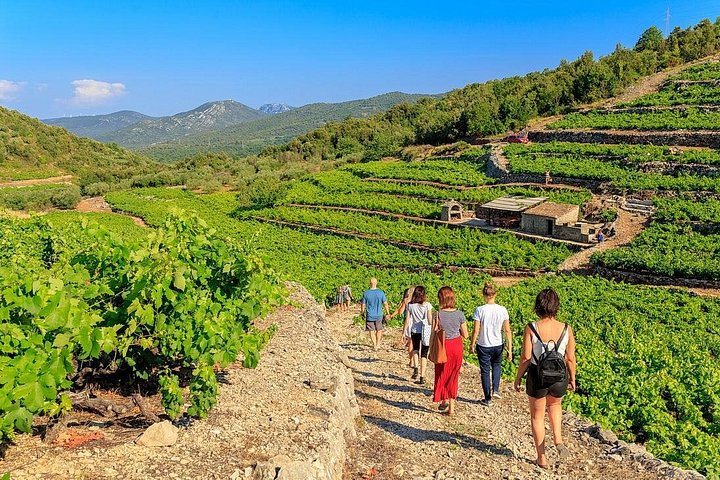
Wine tours visit a few cellars in one region. On Pelješac, the main grape is Plavac Mali, a strong red from steep slopes above the sea. In Istria, try white Malvazija and red Teran. Korčula has Pošip and Grk. Krk has Žlahtina. In Slavonia, the main white is Graševina. Tastings usually come with bread, cheese and pršut.
Truffle hunting
Istria’s forests, especially around Motovun, are known for truffles. You follow a hunter and trained dogs into the woods, then eat what’s found, often on pasta or eggs. White truffle season runs in autumn. Black truffles can be found for much of the year. Finds aren’t guaranteed, but most tours serve truffle dishes anyway.
Oyster and seafood tours
In Mali Ston Bay, near Dubrovnik, farmers have grown oysters for centuries. Tours take you out by boat to the farms to eat them fresh, often with a glass of local white. In Istria, the Lim Bay is known for oysters and mussels. Seafood tours elsewhere may include a fish market visit and a cooking demo.
Olive oil tastings
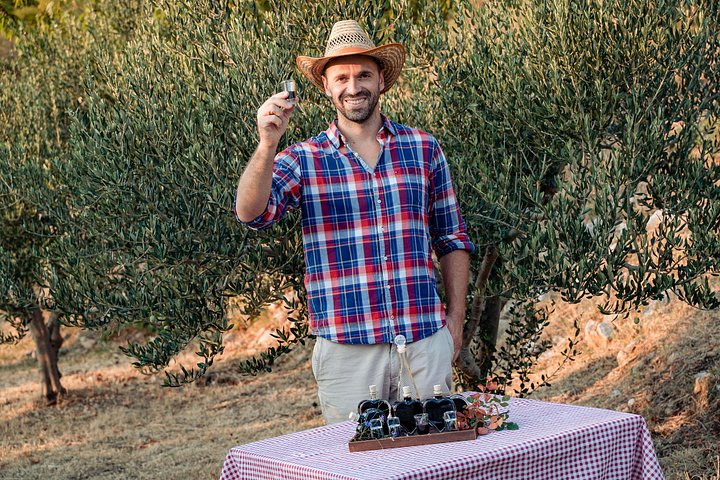
Croatia makes excellent olive oil, especially in Istria and Dalmatia. A tasting teaches you how to tell a good oil from a flat one. You’ll notice the peppery kick at the back of your throat. Many visits pair it with a walk through the groves.
Cooking classes
Cooking classes usually take place in a family home or small farm. You might make peka, where meat or octopus is cooked under an iron bell covered in embers. Other classes cover handmade Istrian pasta like fuži, or soparnik, a thin chard pie from near Omiš. Then you sit down and eat what you made.
Rakija, liqueur and craft beer tastings
Rakija is the local fruit brandy. It’s flavoured with herbs, walnuts, honey or plums. Zadar is known for Maraschino, a cherry liqueur. Zagreb and Split have a growing craft beer scene. These tastings are short and strong, so eat first.
Best Regions for Food and Drink Tours in Croatia
Where you stay decides what’s easy to taste. Here’s what each region is known for.
Istria
Best for truffles, olive oil and wine. It’s the most food-focused region in the country. Hill towns like Motovun and Grožnjan make good bases, and Rovinj is close by. The food has a strong Italian accent.
Dubrovnik and Pelješac
Best for red wine and oysters. Pelješac’s vineyards and Ston’s oyster farms are about an hour from Dubrovnik. Try rožata, a local custard dessert.
Split and Central Dalmatia
Best for seafood, peka and island wines. Hvar, Brač and Vis all have their own wines and family konobas. Try pašticada, a slow-cooked beef stew usually served with gnocchi.
Zadar and Northern Dalmatia
Best for Pag cheese, lamb and Maraschino. Pag’s hard sheep’s cheese takes its flavour from salty, herb-covered pastures.
Zagreb and continental Croatia
Best for štrukli, markets and wine hills. Zagorje and Plešivica have small wineries an hour or less from the city. Farther east, Slavonia is known for kulen and Graševina.
When to Go: Season by Season
Croatia Food & Drink Tours run all year, but what you taste changes with the season.
Spring (April–June). Fresh greens, wild asparagus and young cheeses. It’s mild weather for walking tours. In March, Ston celebrates its oysters around St Joseph’s Day.
Summer (July–August). Hot and busy. Best for seafood, island wineries and evening tastings. Book early, and avoid long midday walking tours in the heat.
Autumn (September–November). The best season for food. Grape harvest runs in September. White truffle season starts in Istria. Olive harvest follows in October and November.
Winter (December–March). Quiet on the coast, but good for hearty inland food. Zagreb’s Advent market is full of mulled wine, sausages and fritule, small sweet doughnuts.
How to Choose the Right Food or Drink Tour
Two food tours in the same town can be very different. Use this checklist when you compare tours in the grid.
- Food or drink focus. Some tours are mostly wine. Others are mostly food. Check the balance.
- How much you’ll eat. Look at how many stops and tastings are included. Some tours replace a full meal, and others are just snacks.
- Dietary needs. Vegetarian, vegan, gluten-free or allergies? Ask before you book. Not every tour can adapt.
- Group size. Smaller groups get more time with winemakers and cooks.
- Transport. Wine tours outside cities should include a driver. Don’t plan to drive yourself.
- Age limits. Most wine and rakija tastings are adults only. Check if you’re travelling with kids.
- What’s included. Check tastings, meals, hotel pickup and any extras like bottles to take home.
- Cancellation. Look for free cancellation, especially for boat-based oyster trips.
Practical Tips Before You Go
- Eat a light breakfast. Most food tours serve more than you expect.
- Pace yourself. Wine and rakija add up fast. Drink water between tastings.
- Don’t drive after tastings. Croatia has strict drink-driving rules, with a zero limit for young drivers.
- Check fish prices. In restaurants, fresh fish is often priced by the kilo. Ask before you order.
- Buy direct. Wineries and farms often sell bottles, oil and cheese. Check your home country’s rules for bringing food back.
- Tipping. It isn’t required, but around 10% is common for good service.
- Tap water. It’s safe to drink in Croatia.
- Entry rules. Check the current rules for your nationality before you travel.
Croatian food is simple, seasonal and very local. The best meals often come from small places with no menu in English. A food or wine tour gets you there faster.
Start with what you like to eat and drink. Then pick a region and a season to match. Truffles in Istrian autumn, oysters at Ston and Plavac on Pelješac are all good bets.
The Croatia Food & Drink Tours above cover all of it. Browse the grid, check what’s included and pick the trip that suits you.
Frequently Asked Questions
What are the best food and drink tours in Croatia?
- Wine and oyster tours on Pelješac and in Ston
- Truffle hunting in Istria
- Market and food walks in Zagreb, Split or Dubrovnik
- Peka cooking classes in Dalmatia
- Olive oil tastings in Istria
What food is Croatia known for?
- Peka, meat or octopus cooked under an iron bell
- Pašticada, a Dalmatian beef stew
- Black risotto made with cuttlefish ink
- Pag cheese and pršut, dry-cured ham
- Truffles and olive oil from Istria
- Štrukli from the Zagreb area
When is the best time for food tours in Croatia?
Autumn. September to November brings grape harvest, olive harvest and white truffle season. Spring and early summer are also good, with fewer crowds.
Are food tours good for vegetarians?
Some are. Croatian food leans heavily on meat, fish and cheese, but vegetables, olive oil and pastries are common too. Always tell the operator before you book.
What wines should I try in Croatia?
- Plavac Mali, a strong red from Pelješac and Hvar
- Malvazija and Teran from Istria
- Pošip and Grk from Korčula
- Graševina from Slavonia
- Žlahtina from Krk
Are wine tours suitable for kids?
Usually not. Most tastings are adults only. Market walks, cooking classes and oyster boat trips are better options for families.
Do food tours replace a meal?
Often, yes. Most food walks and cooking classes serve enough for lunch or dinner. Check the number of tastings in the tour details.
How far ahead should I book?
For July and August, book a week or two ahead. Small winery and cooking tours fill up first. In spring and autumn, a few days is usually enough.