
Croatia Day Trips
Most people pick one or two bases in Croatia, often Split, Dubrovnik or Zagreb. Then they spend half the holiday wondering what’s just out of reach. Croatia Day Trips solve that. In one day you can walk the lakes at Plitvice, hop over to an island or cross the border to Mostar, and still be back for dinner.
Croatia is small, and its best sights are close together. Good roads, fast catamarans and short border crossings make it easy to see a lot without packing up and moving hotels.
This page helps you choose the right day trip for your base, your interests and the time of year. Then use the grid to find a tour that fits. One honest note: some popular trips involve long drives. It helps to know which ones before you book.
Key Takeaways
- Croatia Day Trips run from every major base, including Split, Dubrovnik, Zadar, Zagreb and Istria.
- Top picks are Plitvice Lakes, Krka National Park, Hvar and the Blue Cave, plus Mostar and Kotor across the border.
- Check the travel time. Plitvice from Split is about three hours each way.
- Cross-border trips to Bosnia and Herzegovina or Montenegro need your passport.
- The best months are May–June and September–October. Expect warm weather and shorter queues.
- Book summer trips early and pick free cancellation. Boat trips depend on the weather.
Why Croatia Is Perfect for Day Trips
The main reason is distance. Croatia’s coast is long but narrow, with mountains, rivers and islands close behind. From Split, you can reach two national parks, a dozen islands and another country within a few hours.
Getting around is straightforward. Motorways link Zagreb, Zadar, Split and the south. Catamarans connect the mainland to the bigger islands, often in an hour or less. Since the Pelješac Bridge opened in 2022, the drive between Split and Dubrovnik no longer has to cross the short Bosnian coastline at Neum.
There’s also a lot of variety. Croatia has eight national parks, including Plitvice, Krka, Mljet and Kornati. It has UNESCO towns like Trogir and Šibenik, and wine regions like Pelješac and Istria. Day trips let you mix them without changing hotels.
And the country is easy for visitors. Croatia uses the euro and has been in the Schengen area since 2023. The Croatian National Tourist Board’s official site is a good place to check regions and events.
Popular Types of Croatia Day Trips
Most Croatia Day Trips fall into a few groups. Here’s what each one is like and who it suits.
National park trips
Plitvice Lakes is the most famous. There are 16 terraced lakes linked by waterfalls, with wooden boardwalks over the water. Expect three to four hours of walking inside the park. Krka is closer to Split and Šibenik, with big waterfalls and a riverside trail. Swimming isn’t allowed at either park. In summer, Plitvice tickets often come with a set entry time, so book ahead.
Island day trips
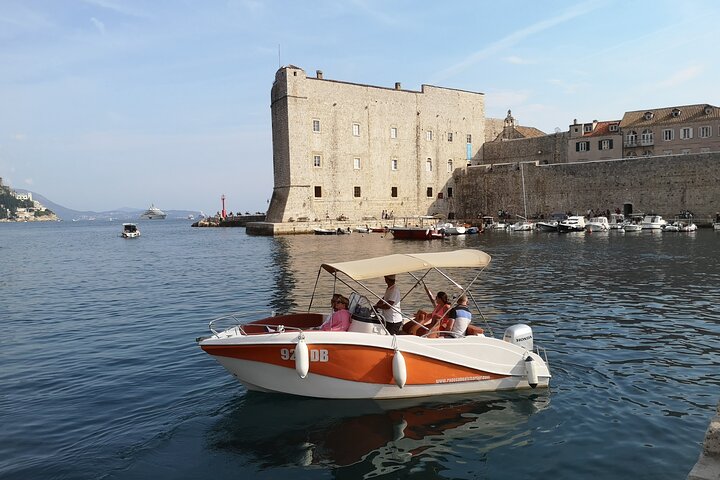
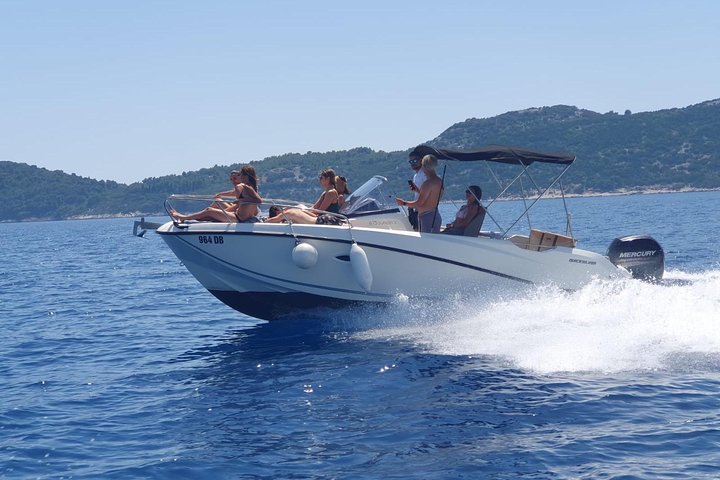
From Split, the easy picks are Hvar, Brač and Šolta. Speedboat trips go further, to the Blue Cave on Biševo and the Pakleni islands. From Dubrovnik, you can visit Mljet, with its saltwater lakes, or the quiet Elafiti islands. From Zadar, boats go to Kornati. Island days are mostly about swimming, slow lunches and wandering small harbour towns.
Old towns and coastal towns
Some of the best trips are short. Trogir is 30 minutes from Split, a tiny old town on an island. Šibenik has a stone cathedral on the UNESCO list. Ston, near Dubrovnik, has long medieval walls and oyster farms. In Istria, Rovinj, Motovun and Grožnjan make easy half-day or full-day trips.
Cross-border trips
Croatia borders several countries, and some of the most popular day trips leave it. From Dubrovnik and Split, tours go to Mostar in Bosnia and Herzegovina, known for its Old Bridge. From Dubrovnik, you can also reach Kotor in Montenegro. From Zagreb, Ljubljana and Lake Bled in Slovenia are both doable. These trips are long, and summer border queues can add time.
Food and wine trips
From Dubrovnik, Pelješac wine tours often stop in Ston for oysters. In Istria, day trips focus on olive oil, wine and truffles. Near Zagreb, the Zagorje and Plešivica hills have small wineries and family-run restaurants.
Adventure day trips
From Split, Omiš is about 30 minutes away. It’s the base for rafting, canyoning and zip lining on the Cetina River. From Dubrovnik, sea kayaking around the city walls takes half a day. Hikers can reach Biokovo above Makarska or the trails of Paklenica near Zadar.
Best Day Trips by Base
Where you stay decides which trips are easy. Here’s what works from each main base.
From Split
Split has the most options. Trogir and Omiš are 30 minutes away. Krka is about an hour. Hvar, Brač and the Blue Cave are reached by boat. Mostar and Plitvice are possible, but expect around three hours each way.
From Dubrovnik
The best picks are the Elafiti islands, Mljet, Ston and Pelješac, and Cavtat. Across the border, Kotor and Mostar are popular but long days. Plitvice is too far for a comfortable day trip.
From Zadar
Zadar is the best coastal base for Plitvice, at about two hours away. Krka, Kornati, Šibenik and Paklenica are all close. It’s a quieter base than Split.
From Zagreb
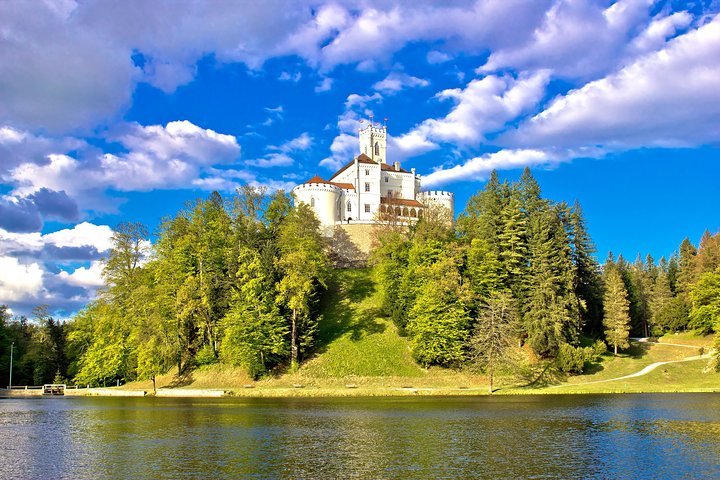
Plitvice is about two hours away, with a stop at the small mill village of Rastoke on the way. Varaždin and Trakošćan Castle are in the north. Ljubljana and Lake Bled in Slovenia are also within reach.
From Istria
From Rovinj, Poreč or Pula, try the Lim Bay, the Brijuni islands, the hill towns and the truffle forests. Slovenia’s Postojna Cave and its coast are close too.
When to Go: Season by Season
You can do Croatia Day Trips all year, but the best options change with the season.
Spring (April–June). This is a great time for Plitvice and Krka. The waterfalls are full and the parks are green. It’s mild weather for walking and old towns. The sea is still cool for swimming until June.
Summer (July–August). Hot, often above 30°C, and busy everywhere. Island and boat trips are at their best. National parks and Mostar can get very crowded, so start early.
Autumn (September–October). Warm sea, fewer crowds and autumn colour at Plitvice. Many people’s favourite time. Some boat trips cut back their schedules from mid-October.
Winter (November–March). Quiet, with fewer trips running on the coast. Plitvice can look great under snow, but some paths may close. Zagreb day trips and city tours work well.
How to Choose the Right Day Trip
Two trips to the same place can feel very different. Use this checklist when you compare tours in the grid.
- Travel time. Check how many hours you’ll spend on the road or boat versus at the place itself.
- Time on site. A Plitvice trip with only two hours in the park feels rushed. Look for three or more.
- Group size. Small groups move faster and get more time with the guide. Private tours let you set the pace.
- What’s included. Check for hotel pickup, park tickets, a guide, lunch and boat transfers. Some low prices leave these out.
- Guide or driver only. Some trips give you transport and free time. Others include a guide at each stop.
- Border crossings. For Mostar, Kotor or Slovenia, check passport and visa rules for your nationality.
- Weather policy. Boat trips can be cancelled in strong wind. Look for free cancellation or rebooking.
Practical Tips Before You Go
- Start early. Morning departures beat the heat and the crowds, especially at Plitvice and Krka.
- Bring your passport on cross-border trips. You’ll need it for Bosnia and Herzegovina and Montenegro.
- Wear good shoes. Park trails, boardwalks and old town stone can be slippery.
- Pack for the day. Bring water, sunscreen, a hat and a light layer for boats or evenings.
- Carry some cash. Small cafés and island shops don’t always take cards.
- Know the emergency number. Call 112 for any emergency in Croatia and the EU.
- Check entry rules. Rules depend on your nationality and can change. Check before you travel.
A good base and a few well-chosen day trips can cover much of Croatia. You get the lakes, the islands and the old towns without living out of a suitcase.
Start with your base and the things you care about most. Then be realistic about travel time. A short trip done well beats a long one spent on a bus.
The Croatia Day Trips above cover all of it. Browse the grid, check what’s included and pick the trip that suits you.
Frequently Asked Questions
What are the best day trips in Croatia?
- Plitvice Lakes from Zagreb or Zadar
- Krka National Park from Split or Šibenik
- Hvar or the Blue Cave from Split
- Mljet or the Elafiti islands from Dubrovnik
- Mostar or Kotor across the border
Can I visit Plitvice as a day trip from Split?
Yes, but it’s a long day. It takes about three hours each way. Zadar and Zagreb are closer, at around two hours.
Do I need a passport for day trips from Croatia?
Yes, for Bosnia and Herzegovina and Montenegro. Both are outside the EU, so you’ll go through a border check. Slovenia is in Schengen, but carry ID anyway.
When is the best time for day trips in Croatia?
May–June and September–October. It’s warm, and the crowds are smaller. Spring is best for waterfalls. Late summer is best for swimming.
Are day trips in Croatia good for kids?
Yes. Shorter trips work best. Good options include:
- Trogir or Omiš from Split
- The Elafiti islands from Dubrovnik
- Krka, which has shorter walks than Plitvice
What should I bring on a day trip?
- Comfortable shoes
- Water and snacks
- Sunscreen and a hat
- Swimwear for boat trips
- Your passport for cross-border trips
- Some cash
Is it better to book a tour or go on my own?
It depends. Going on your own is cheaper if you have a car. Tours save you the driving, parking and ticket planning. They also make cross-border trips easier.
How far ahead should I book?
For July and August, book a week or two ahead. Plitvice and popular boat trips fill up first. In spring and autumn, a few days is usually enough.