

Croatia Walking Tours
Croatia’s old towns were built for feet, not cars. The streets are narrow, the stone is polished smooth, and the best corners are up a flight of steps. Croatia Walking Tours are the easiest way to understand what you’re looking at. A local guide points out the Roman column built into a café wall, the plague-era stone bench or the spot where the city gate was locked every night.
Most walks last two to three hours and cover easy ground. Others leave town for park trails, island paths or vineyard roads. You set the pace by choosing the right one.
This page helps you choose the right type of walk, the right town and the right time of year. Then use the grid to find a tour that fits. You don’t need to be fit for most walks. Comfortable shoes matter more.
Key Takeaways
- Croatia Walking Tours include old town walks, food walks, history and themed walks, and easy nature trails.
- Top picks are Dubrovnik, Split, Zagreb, Zadar, Trogir and Rovinj.
- Most city walks last 2–3 hours and suit all ages and fitness levels.
- The best times are spring and autumn. In summer, walk early morning or evening.
- Expect stone steps and slippery paving. Wear shoes with good grip.
- Choose a licensed local guide and check group size before you book.
Why Croatia Is Great for Walking Tours
Most of Croatia’s old towns are car-free. Dubrovnik, Split, Trogir, Korčula and Rovinj all have centres you can only explore on foot. That makes walking the natural way to see them.
They’re also compact. Dubrovnik’s Old Town and Diocletian’s Palace in Split take minutes to cross. But each one has 1,500 years or more of history packed in. A guide helps you see the layers. You’ll spot Roman walls under medieval houses, Venetian lions on the gates and Austrian-era cafés on the squares.
Many towns are on the UNESCO World Heritage list. These include Dubrovnik, Split, Trogir, Šibenik’s cathedral and the basilica in Poreč. In Croatia, guides at many protected sites must hold an official tourist guide licence, which helps with quality.
Outside towns, there’s easy nature walking too. National parks like Plitvice, Krka and Mljet have marked, mostly flat trails. The Croatian National Tourist Board’s official site has regional walking info and maps.
Popular Types of Croatia Walking Tours
Most Croatia Walking Tours fall into a few groups. Here’s what each one is like and who it suits.
Old town walking tours
This is the classic. A guide takes you through the main squares, churches, palaces and back streets in about two hours. In Dubrovnik, you learn how a small republic stayed independent for centuries. In Split, you walk through Diocletian’s Palace, a Roman emperor’s home where people still live today. In Korčula, the streets are laid out like a fish skeleton. The design lets in the summer breeze and blocks the winter wind.
City walls and fortress walks
Walking Dubrovnik’s city walls is about 2 km of steps, towers and views over the roofs and sea. Allow around two hours. There’s almost no shade, so go at opening time or late in the day. Ston has long medieval walls climbing the hill. Šibenik has four fortresses with views over the town and islands.
History and themed walks
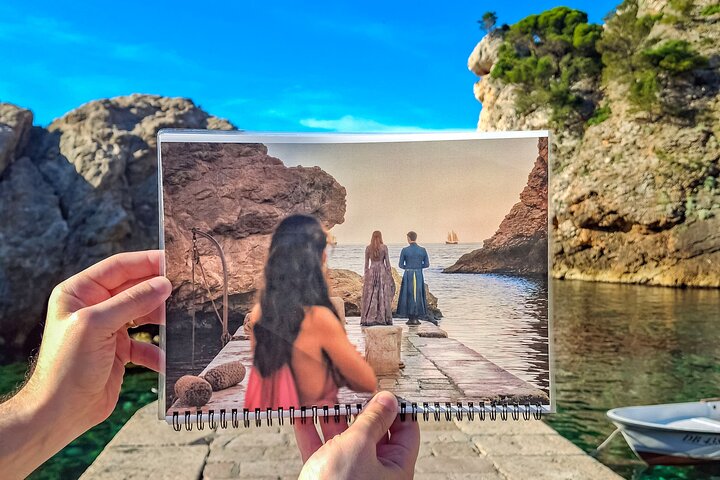
Some walks focus on one topic. Popular themes include Roman history in Split and Pula, Venetian history in Zadar and Istria, and war history from the 1990s in Dubrovnik and Vukovar. In Dubrovnik, some tours visit Game of Thrones filming locations. Zagreb has evening walks focused on legends and the city’s past.
Food walking tours
Food walks mix sightseeing with tastings. They usually start at a morning market like Dolac in Zagreb, then stop for pršut, cheese, olive oil, pastries and local wine. Expect two to four hours. Come hungry.
Free walking tours
Many cities have tip-based walking tours. They’re a cheap way to get your bearings on day one. Groups can be large, though, and the guide works for tips, so a few euros per person is expected. For depth, a small-group or private tour is better.
Nature and park walks
For easy walks outside town, Plitvice Lakes has wooden boardwalks over the water. Krka has a riverside loop past the waterfalls. Mljet has flat paths around two saltwater lakes. Close to the cities, try Marjan Hill in Split, a pine forest park, or Lokrum island, a short boat ride from Dubrovnik.
Multi-day walking holidays
Some trips link several days of walking. Popular areas are the islands of Hvar, Brač and Korčula, and the hill towns of Istria. You walk village to village on country paths, and your bags are moved for you. Many are self-guided with maps and app routes.
Best Places for Walking Tours in Croatia
Each town has its own feel on foot. Here’s what to expect.
Dubrovnik
Best for medieval history and city walls. The Old Town is beautiful, but very busy when cruise ships are in. Walk early or in the evening.
Split and Trogir
Best for Roman history. Diocletian’s Palace is the main draw, and Trogir is a tiny island town 30 minutes away. Climb Marjan Hill for views.
Zagreb
Best for Central European city walks. You’ll see the Upper and Lower Towns, the Dolac market and St Mark’s Church with its tiled roof. One of the world’s shortest funiculars links the two parts of town. A cannon fires from the Lotrščak Tower every day at noon.
Zadar and Šibenik
Best for a mix of ancient and modern. Zadar has a Roman Forum, the round Church of St Donatus and the Sea Organ. Šibenik has its stone cathedral and fortresses. Both are quieter than Split.
Istria
Best for hill towns and coastal towns. Rovinj’s lanes climb to the church of St Euphemia. Pula has a Roman arena. Motovun and Grožnjan are small and easy to walk in an hour.
When to Go: Season by Season
Croatia Walking Tours run all year in the bigger cities. On the coast and islands, the best season is spring to autumn.
Spring (April–June). This is ideal walking weather. Towns are lively but not packed, and parks are green.
Summer (July–August). Hot, often above 30°C, and crowded. Stone streets hold the heat. Pick tours that start early in the morning or in the evening. Carry water.
Autumn (September–October). Warm and calmer. One of the best times for walking, especially city walls and park trails.
Winter (November–March). Cool and quiet. Coastal towns slow down, but you get the streets almost to yourself. Zagreb is at its best in December, with its Advent market. Shorter days mean less time for long walks.
How to Choose the Right Walking Tour
Two walks through the same town can feel very different. Use this checklist when you compare tours in the grid.
- Licensed guide. In Croatia, many protected sites need a licensed guide. Ask before you book.
- Group size. In narrow streets, small groups are easier to hear and move faster. Private tours are best if you want to ask a lot of questions.
- Length and distance. Check the total time and how far you’ll walk. Two hours is about right for most people.
- Steps and terrain. Old towns have many steps and uneven stone. If mobility is an issue, ask about the route.
- Theme. General tours cover everything briefly. Themed tours go deeper on history, food or film locations.
- Timing. In summer, pick an early or late start to avoid heat and cruise crowds.
- What’s included. Some tours include entry to walls, museums or churches. Others don’t.
- Cancellation. Look for free cancellation in case plans change.
Practical Tips Before You Go
- Wear good shoes. Old town stone is polished smooth and gets slippery, especially after rain.
- Carry water. Many towns have public drinking fountains, and tap water is safe to drink.
- Use sun protection. Bring a hat and sunscreen. City walls and squares have little shade.
- Dress for churches. Cover shoulders and knees if you plan to go inside.
- Respect local rules. Some towns fine people for walking in swimwear or shirtless in the old town.
- Look for city passes. Dubrovnik and Zagreb have city cards that can cover sights and transport. Check current prices and what’s included.
- Know the emergency number. Call 112 for any emergency in Croatia and the EU.
- Check entry rules. Rules depend on your nationality and can change. Check before you travel.
You can walk around Croatia’s old towns on your own and enjoy them. But a good guide changes what you notice. Suddenly the stones, the gates and the street names all mean something.
Start with the town you’re in and what interests you most. Then pick a time of day that avoids the heat and the crowds.
The Croatia Walking Tours above cover all of it. Browse the grid, check what’s included and pick the walk that suits you.
Frequently Asked Questions
What are the best walking tours in Croatia?
- Dubrovnik Old Town and city walls
- Diocletian’s Palace in Split
- Zagreb’s Upper and Lower Town
- Zadar’s Roman Forum and Sea Organ
- Food walks in Zagreb, Split or Dubrovnik
How long is a walking tour?
Most city walks last 1.5–3 hours. Food walks can run up to four hours. Park and multi-day walks are longer.
Are walking tours hard?
No. Most city walks are slow and easy. But expect stone steps and uneven ground. Dubrovnik’s walls have many steps and no shade.
Are walking tours good for kids?
Yes, if they’re short. Look for:
- Tours under two hours
- Guides who tell stories, not just dates
- Routes with breaks and shade
Are free walking tours worth it?
They’re good for a quick overview. But groups can be big, and you’re expected to tip. For more detail, choose a small-group or private tour.
What should I wear?
- Shoes with good grip
- Light, breathable clothes
- A hat and sunscreen in summer
- Something to cover shoulders and knees for churches
When is the best time of day for a walking tour?
Early morning or early evening. It’s cooler, and there are fewer crowds, especially in Dubrovnik and Split in summer.
How far ahead should I book?
For July and August, book a few days to a week ahead. In spring, autumn and winter, a day or two is usually enough.