
Croatia Adventure Tours
Most people come to Croatia for the beaches. Croatia Adventure Tours are for the ones who come back for the canyons, the limestone peaks and the 1,200-plus islands you can reach by kayak. In one week you can raft a cold green river, hike above the sea and swim off a rock no road goes to.
The country fits a lot into a small space. There’s the long Adriatic coast, the Dinaric Alps rising right behind it, fast rivers and eight national parks. And the drive between them is often under an hour.
This page helps you pick the right type of adventure, the right region and the right time of year. Then use the tour grid to find a trip that fits your pace. You don’t need to be an athlete. Most trips are built for people with normal fitness, and the gear comes with the tour.
Key takeaways
- Croatia Adventure Tours cover sea, rivers and mountains, often within an hour’s drive of each other.
- Top picks: sea kayaking, Cetina rafting, hiking Velebit and Biokovo, climbing in Paklenica, island cycling, zip lining.
- Best time: May–June and September–October. Warm, with fewer crowds than summer.
- Split and Omiš offer the most variety. Dubrovnik is best for kayaking, Istria for cycling.
- Most tours suit beginners. Check difficulty, age limits and swimming rules first.
- Book summer trips early and pick free cancellation, since weather can stop water trips.
Why Croatia Is Made for Adventure Travel
Croatia’s shape does most of the work. The mainland coast runs for nearly 1,800 km, and the islands add thousands more. Right behind the shore stand bare limestone mountains: Velebit, Biokovo and Dinara. Between them, rivers like the Cetina, Zrmanja and Mrežnica cut deep green canyons on their way to the sea.
That means short distances. From Omiš you can paddle the Cetina in the morning and be on a Biokovo trail by mid-afternoon. In Dubrovnik the kayak launch is a few minutes’ walk from the Old Town gates. You spend less time in a van and more time outside.
There’s a lot of protected land, too. Croatia has eight national parks:
• Plitvice Lakes
• Krka
• Paklenica
• Northern Velebit
• Risnjak
• Mljet
• Kornati
• Brijuni
Add more than ten nature parks, including Biokovo, Velebit and Telašćica. Each park sets its own rules and entry fees, so check the park’s official website before you go. The Croatian National Tourist Board is a good starting point for regions and events.
The practical side is easy. Croatia has used the euro and been part of the Schengen area since January 2023. Motorways link Zagreb, Zadar, Split and the south, and ferries run to most inhabited islands. Out of season, though, ferry timetables get thinner. Plan island trips around them.
Popular Types of Croatia Adventure Tours
Most Croatia Adventure Tours fall into a few groups. Here’s what each one feels like, where it happens and who it suits.
Sea kayaking
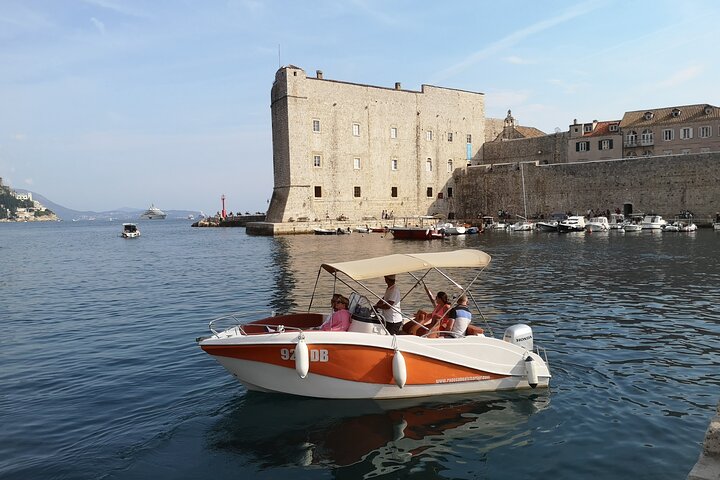
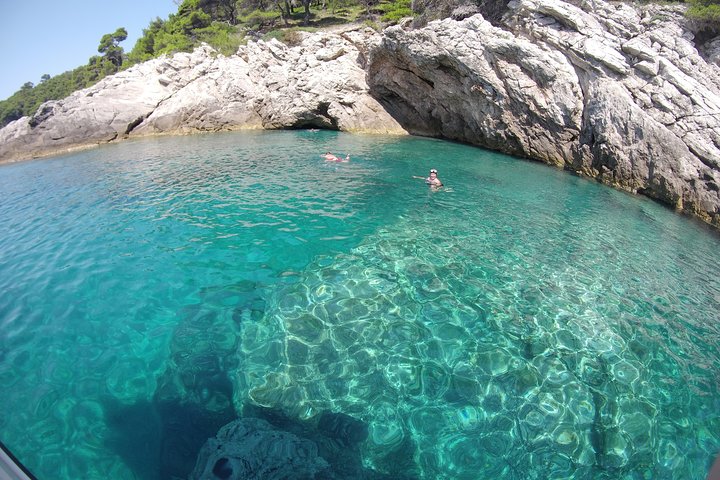
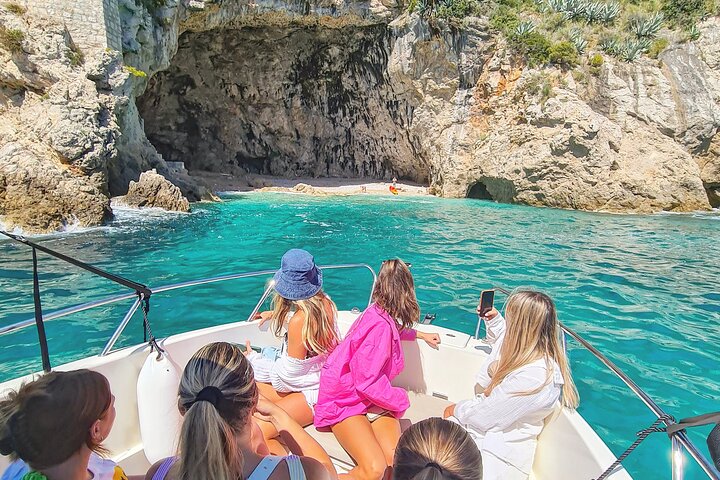
Dubrovnik is the classic spot. You paddle under the city walls, round Lokrum island and stop at a small cave to swim. Other good areas are the Elafiti islands, the Pakleni islands off Hvar and the Kornati, which feel far more remote. Expect three to four hours of easy paddling with swim breaks. Mornings are calmer. The afternoon wind can make the sea choppy, so beginners are better off going early.
White-water rafting and canyoning
The Cetina River near Omiš is the busiest rafting spot. In summer the water is low and mostly gentle, so it works for families. But it’s cold, even in July. The Zrmanja near Zadar is better in spring, when the water is higher and the rapids have more push. The Mrežnica, near Karlovac, has dozens of small waterfalls you can slide down. Canyoning on the Cetina adds jumps, short abseils and swims through narrow gorges. You get a wetsuit, helmet and life jacket.
Hiking and trekking
Velebit’s Premužić trail follows the ridge on a gentle, stone-built path, with sea views and the smell of pine. Biokovo rises straight above Makarska. Its top, Sveti Jure, sits at 1,762 m and the view takes in half of Dalmatia. On Brač, Vidova Gora is the highest point of any Adriatic island. Paklenica has well-marked trails up the canyon to mountain huts. Shade is limited on most of these routes. Start early.
Rock climbing
Paklenica’s Anića kuk is the country’s best-known wall, with long routes up to around 350 m. The park has hundreds of routes in total, from easy to very hard. Omiš and Istria also have good sport climbing. If you’re new, look for a guided intro session with gear included.
Cycling
In Istria, the Parenzana trail follows an old railway line through tunnels and over viaducts, mostly on gravel. On Hvar, Brač and Korčula, the roads are quiet but hilly. E-bikes make those climbs much easier, and many tours offer them.
Zip lining
The lines near Omiš cross the Cetina canyon high above the river. It’s short, loud and fun. No experience needed, but there are weight and age limits.
Diving, snorkelling, windsurfing and kitesurfing
The water is clear, with good wrecks off Istria and Vis. Bol on Brač and Viganj on Pelješac are the main windsurf and kitesurf spots, thanks to a steady afternoon wind in summer.
Best Regions for Adventure Tours in Croatia
Where you stay shapes what you can do. Pick a base close to the activity you care about most, and treat the rest as day trips.
- Central Dalmatia has the most choice in one place. Omiš alone offers rafting, canyoning and zip lining within a few kilometres. The trade-off is crowds in July and August.
- Dubrovnik works if kayaking and swimming are your main goals. Mljet is an easy ferry ride away, with quiet lakes and good cycling inside the national park.
- Northern Dalmatia is quieter and more rugged. Starigrad-Paklenica is the base for climbers and hikers, and the Zrmanja is close by.
- Istria feels different from the south. It’s greener, with hill towns and long bike routes through farmland and oak woods.
- Inland, Plitvice and Gorski kotar stay cooler in summer. They’re a good break when the coast hits 30°C.
When to Go: Season by Season
The best time for Croatia Adventure Tours depends on what you want to do. Rivers peak in spring. The sea is warmest in late summer.
Spring (April–June). Rivers run high after the snowmelt, so rafting on the Zrmanja is at its best. The hills are green and hiking temperatures are comfortable. The sea is still cool in April and May, so bring a wetsuit or a brave attitude.
Summer (July–August). It’s hot, often above 30°C, and the coast is busy. This is prime time for kayaking, snorkelling and canyoning. Book early, and plan hikes for the early morning. Jellyfish show up some summers, but not every year.
Autumn (September–October). The sea stays warm after a full summer of sun, and the crowds thin out. Many travellers think this is the sweet spot. Some tours start to cut back their schedules from mid-October.
Winter (November–March). Quiet, cheaper and much less on offer. Many coastal operators close. The bora, a cold northeast wind, can hit the coast hard and stop ferries. It’s a good time for inland hikes, though, and for walking the coast without crowds.
How to Choose the Right Adventure Tour
Two trips with the same name can be very different days out. Use this checklist when you compare Croatia Adventure Tours in the grid.
- Difficulty and fitness. Read the level, not just the title. A “moderate” hike in July heat can feel hard.
- Trip length. Half-day trips leave time for the beach. Full-day and multi-day trips go further but need more energy.
- Group size. Small groups get more time with the guide. Private tours cost more but run at your pace.
- What’s included. Check for gear, transport, lunch and park fees. Some prices look low because these are extra.
- Age and swimming limits. Water trips often set a minimum age and ask that you can swim. Check before you book for kids.
- Safety. Look for licensed guides, proper safety gear and operator insurance. Recent reviews tell you more than photos.
- Cancellation and weather. Rafting and kayaking depend on conditions. Pick a tour with free cancellation and a clear bad-weather policy.
And be honest about what you enjoy. If you hate cold water, a summer Cetina trip will still be cold. A sunset kayak might suit you better.
Practical Tips Before You Go
A bit of prep makes a big difference, especially in summer heat.
- Pack for water and rock. Bring reef-safe sunscreen, water shoes for pebble and rock beaches, quick-dry layers and a refillable bottle. A waterproof phone case is worth it.
- Hike early. Start at sunrise in summer. Carry more water than you think you need, since many trails have no springs or shade.
- Know the emergency numbers. Dial 112 for any emergency in the EU. The Croatian Mountain Rescue Service (HGSS) covers mountains and canyons. Leave your route with someone before a long hike.
- Follow park rules. Swimming is not allowed in the Plitvice lakes or at Skradinski buk in Krka. Stay on marked paths. Check the official park website for current tickets and rules.
- Check your insurance. Many standard travel policies exclude rafting, canyoning or climbing. Read the small print.
- Check entry rules. Rules depend on your nationality and can change. Check the official requirements before you travel.
Croatia is more than a beach holiday. The sea, the rivers and the mountains sit close together, so you can mix a slow day with an active one and not lose half of it to driving.
Start with what you actually enjoy, then match it to a region and a season. A first-timer in September might kayak in Dubrovnik. A family in July might raft the Cetina. A climber in May might head straight for Paklenica.
The Croatia Adventure Tours above cover all of these. Browse the grid, check the details, and pick the trip that suits you.
Frequently Asked Questions
What are the best adventure tours in Croatia?
The most popular ones are:
- Rafting or canyoning on the Cetina near Omiš
- Sea kayaking around Dubrovnik’s walls and Lokrum
- Hiking Velebit or Biokovo
- Climbing in Paklenica
- Zip lining over the Cetina canyon
When is the best time for Croatia adventure tours?
May–June and September–October. It’s warm, and there are fewer crowds. Rivers run strongest in spring. The sea is warmest in August and September.
Are Croatia adventure tours good for beginners?
Yes. Most kayaking, rafting and zip-line trips need no experience. Guides give a safety briefing and provide the gear. Climbing and long hikes need more skill or fitness.
Is rafting in Croatia safe for kids?
Summer rafting on the Cetina is usually calm. Most operators set a minimum age, often around 6–8. Check the tour details and ask about life jackets in child sizes.
Do I need to be fit?
Basic fitness is enough for most half-day trips. Multi-day hikes and climbs need more. Check the difficulty rating, and remember that summer heat makes everything harder.
What should I bring?
- Swimwear and a towel
- Water shoes
- Sunscreen and a hat
- Water
- A change of clothes
- A waterproof phone case
Can I combine sightseeing with adventure?
Yes. A Dubrovnik kayak trip passes the city walls. Krka and Plitvice mix walking with some of the country’s best-known views.
Where is the best place in Croatia for adventure activities?
- Variety: Omiš and the Split area
- Climbing: Paklenica
- Kayaking: Dubrovnik
- Cycling: Istria
Do I need travel insurance?
It’s strongly recommended. Make sure your policy covers activities like rafting, canyoning and climbing. Many basic policies don’t.
How far ahead should I book?
For July and August, book a few weeks ahead. In spring and autumn, a few days is usually enough.