
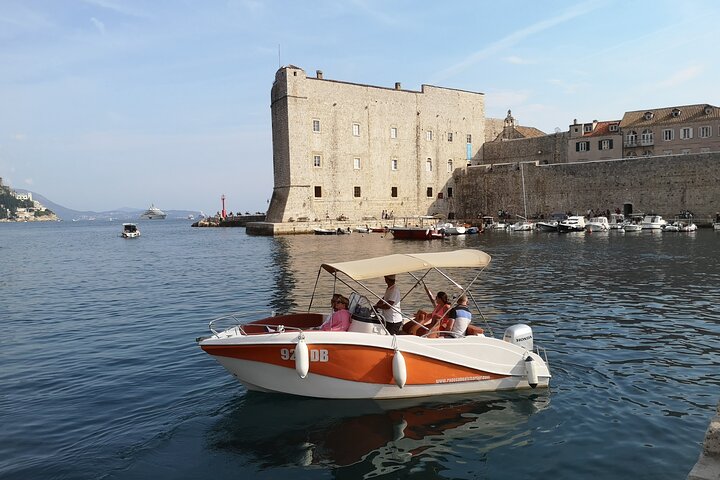
Croatia Boat Tours
Croatia has more than 1,200 islands, and most of them have no bridge. That’s why Croatia Boat Tours are one of the easiest ways to see the coast properly. A day on the water gets you to sea caves, quiet coves and island villages that are hard or slow to reach by ferry.
The coast runs from Istria in the north to Dubrovnik in the south. Every stretch has its own kind of trip, from a fast speedboat run to the Blue Cave to a slow sunset cruise with a glass of local wine. And the water is clear enough to see the seabed from deck.
This page helps you choose the right type of trip, the right departure town and the right time of year. Then use the grid to find a tour that fits. No sailing skills needed. On most trips, you just get on, swim, eat and get off.

Key Takeaways
- Croatia Boat Tours run from almost every coastal town, from Istria down to Dubrovnik.
- Top trips: the Blue Cave, the Five Islands tour, the Blue Lagoon, the Elafiti islands and Kornati National Park.
- Best time: June and September. Warm sea, calmer crowds.
- Split and Hvar have the most choice. Dubrovnik is best for short island trips. Zadar for Kornati.
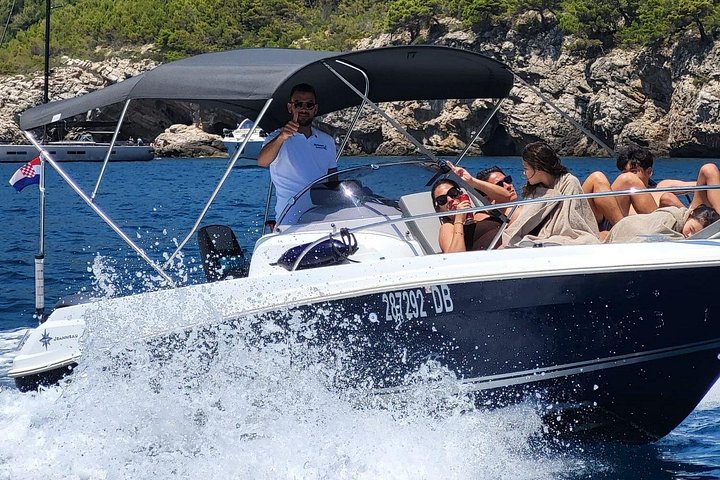
- Speedboats are fast but bumpy. Bigger boats are slower and better if you get seasick.
- Pick a tour with free cancellation. Wind can cancel trips, even in summer.
Why Croatia Is Made for Boat Trips
It comes down to the islands. Hvar, Brač, Vis, Korčula, Mljet and hundreds of smaller ones sit just off the mainland. Many are 30 minutes to two hours away by boat. So one day can cover three or four stops without rushing.
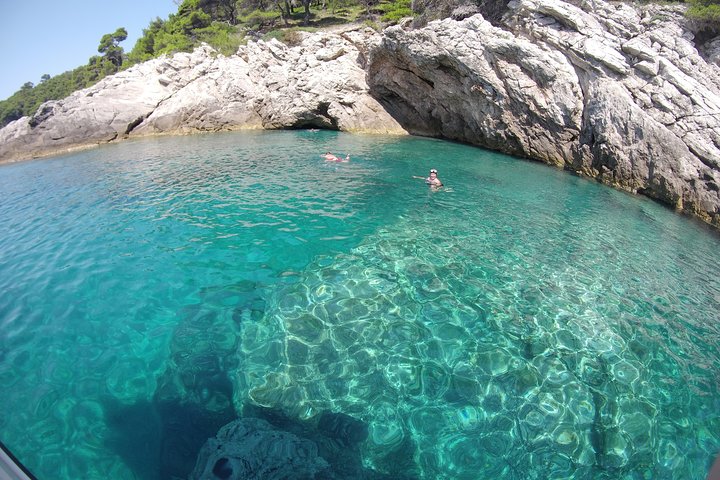
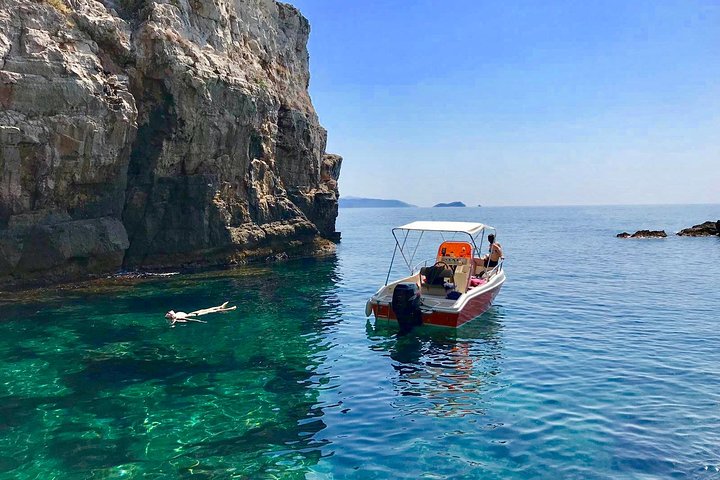
The water helps too. The Adriatic is calm for much of the summer, with no real tides. Visibility is often 20 metres or more, which makes snorkelling from the boat part of almost every trip.
Much of the coast is protected. Kornati, Mljet and Brijuni are national parks you mostly reach by sea. Telašćica and Lastovo are nature parks. These places charge entry fees, which some tours include and some don’t. Check before you book.
Getting around is simple. Croatia uses the euro and has been in the Schengen area since 2023. Big ports like Split, Zadar and Dubrovnik are linked by motorway and have airports close by. The Croatian National Tourist Board’s official site is a good place to check regions and events.
Popular Types of Croatia Boat Tours
Most Croatia Boat Tours fall into a few groups. Here’s what each one is like and who it suits.
Blue Cave and Five Islands speedboat tours
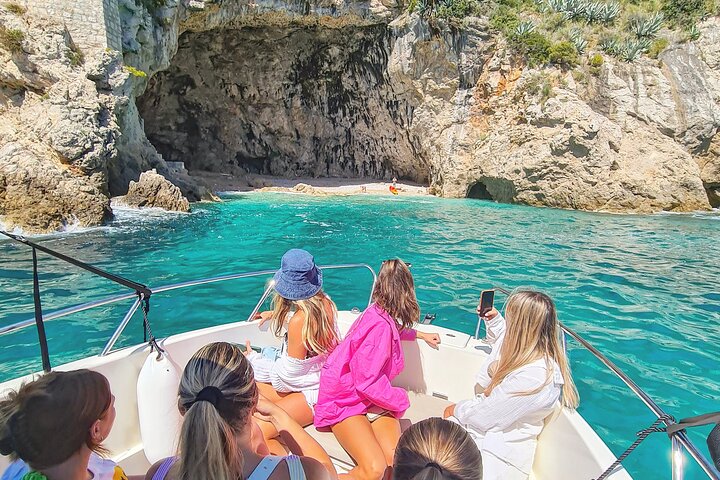
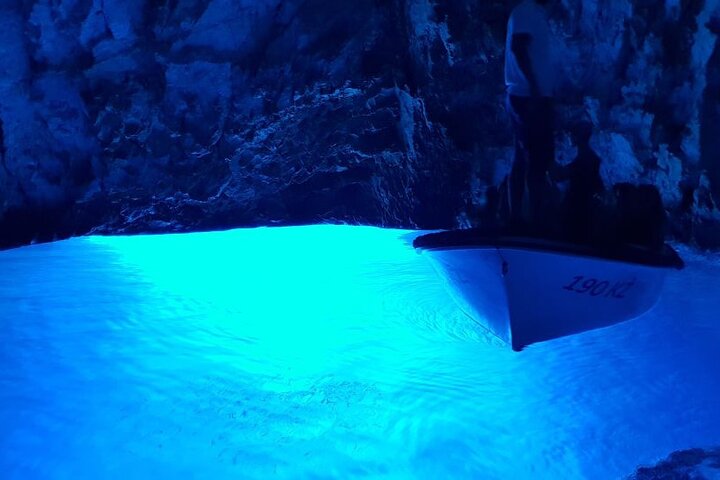
This is the best-known day trip in Dalmatia. Speedboats leave from Split, Trogir and Hvar and head to the Blue Cave on Biševo, near Vis. On a sunny late morning, light comes in under the water and turns the cave bright blue. The visit itself is short, about 10–15 minutes in a small boat.
Most full-day versions add Stiniva cove on Vis, Hvar town, the Pakleni islands and a lagoon stop. Expect a long, fast day with lots of sun. And the cave closes when the sea is rough, so ask what happens if it does.
Blue Lagoon and half-day trips
The Blue Lagoon near Trogir is a shallow, sheltered bay with turquoise water. It’s a short ride from Split and Trogir, which makes it good for families and first-timers. Half-day trips usually pair it with a stop on Šolta or Čiovo. It gets very busy in August, so go early if you can.
Elafiti islands from Dubrovnik
The Elafiti islands are Koločep, Lopud and Šipan. Trips leave from Dubrovnik’s old port or Gruž and stop at each one for a swim, a walk or lunch. Lopud has a long sandy beach, which is rare in Croatia. It’s a slower, easier day than a speedboat tour.
National park cruises
Kornati is a maze of bare, rocky islands south of Zadar. Boats leave from Zadar, Biograd, Murter and Sukošan, often combined with Telašćica and its salt lake. From Dubrovnik, day trips go to Mljet, with two inland saltwater lakes you can walk or cycle around. In Istria, boats from Fažana go to Brijuni.
Sunset and dolphin cruises
Short evening cruises run from most towns. They’re quiet and relaxed, often with a drink on board. In Istria and around Lošinj, some trips look for bottlenose dolphins that live in the area. Sightings aren’t guaranteed, and good operators keep their distance from the animals.
From Rovinj and Poreč, boats also go up the Lim Bay, a long, narrow inlet lined with forest and mussel farms.
Private and skippered boats
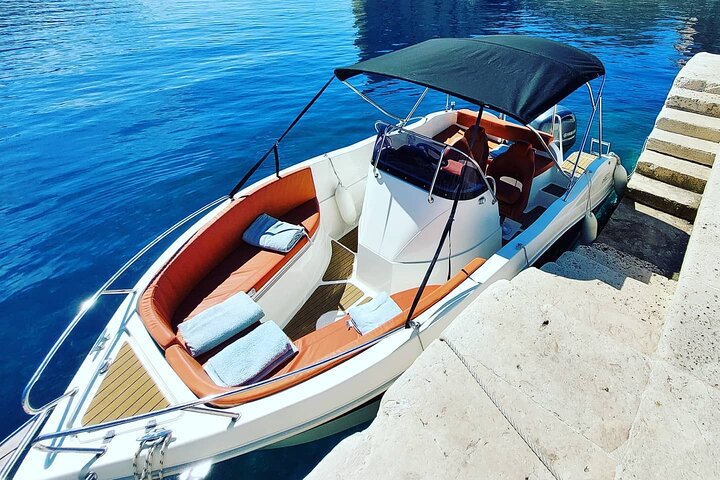
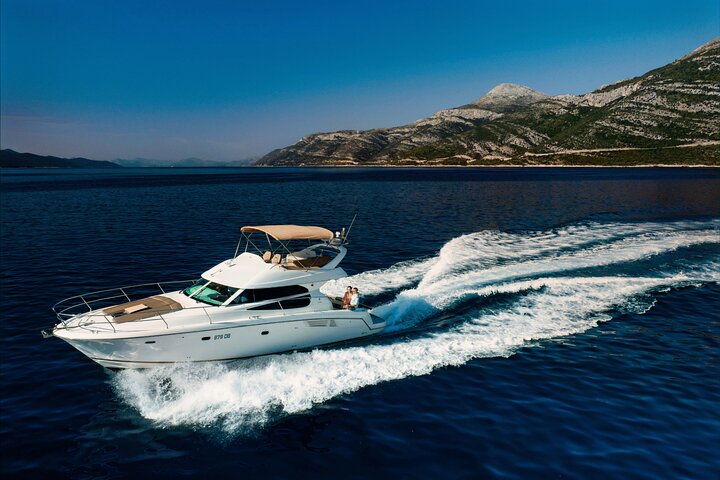
A private boat tour means you choose the stops and the pace. You get a skipper, so no licence is needed. It costs more, but split across a group or family it can be good value. It’s also the easiest way to skip the busiest spots.
Multi-day sailing and gulet cruises
A week on a sailing boat or a traditional wooden gulet is a different kind of trip. You sleep on board and stop at a new island most days. Common routes link Split, Hvar, Vis, Korčula and Mljet. Cabins are small, so pack light.
Boat parties
Hvar and Split have party boats with music, drinks and swim stops. They’re loud and aimed at young groups. If you want a quiet day, skip these.
Best Departure Points for Boat Tours in Croatia
Where you stay decides which trips are easy. Pick a base near the trips you want most.
Split has the most choice by far. The trade-off is crowds at the port and at popular stops in July and August.
Dubrovnik is better for shorter, slower trips. The Elafiti and Mljet are both easy days out.
Zadar is the gateway to Kornati. It’s quieter than Split, and the scenery is wilder.
Istria and Kvarner feel greener and calmer. Trips are shorter, and the season is a little shorter too.
When to Go: Season by Season
Most Croatia Boat Tours run from about April to October. The best months depend on what you want.
Spring (April–May). Fewer boats and fewer people. The sea is still cool, around 16–19°C, so swim stops are short. Not every tour runs yet.
Early summer (June). Long days, warm air and a sea that’s warming up. Many people’s favourite month.
Peak summer (July–August). Hot, often above 30°C. The sea reaches around 25°C. Every tour runs, but popular spots like the Blue Cave can mean waiting your turn. Book ahead.
Autumn (September–October). The sea is still warm from summer, and crowds drop. September is hard to beat. By late October, schedules shrink and weather is less reliable.
Winter. Very few tours run. The bora, a strong northeast wind, and the jugo, which brings big waves, can stop boats for days.
How to Choose the Right Boat Tour
Two tours to the same place can feel very different. Use this checklist with the grid.
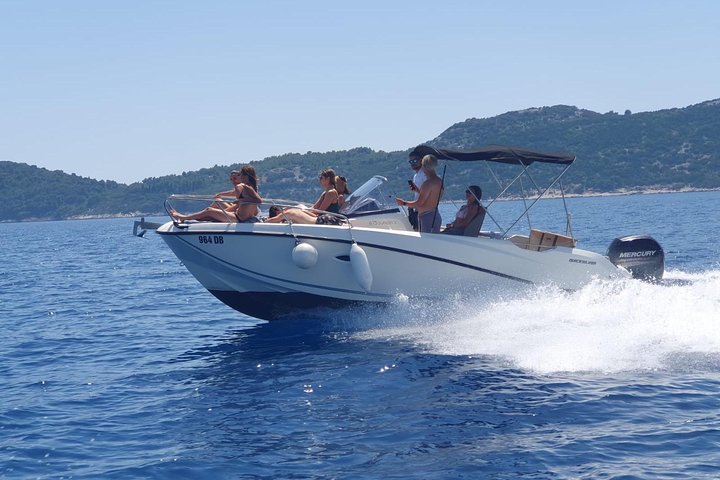
- Type of boat. Speedboats are fast and cover more stops, but the ride is bumpy. Bigger boats and catamarans are slower and smoother.
- Seasickness. If you get seasick, avoid long speedboat runs, especially to Vis. Sit at the back, where it moves less.
- Group size. Small groups get to stops faster and feel less crowded. Private boats cost more but run on your schedule.
- What’s included. Check for lunch, drinks, snorkel gear, hotel pickup and park or cave tickets. Some low prices leave these out.
- Shade. Not every speedboat has a roof. On a full day in July, that matters.
- Kids. Ask about child life jackets and age limits. Some operators don’t take babies on speedboats.
- Safety and licence. Skippers in Croatia need a licence, and boats must carry safety gear. Choose operators with recent, detailed reviews.
- Weather policy. Wind cancels trips. Look for free cancellation and a clear refund or rebooking policy.
Practical Tips Before You Go
- Pack light. Swimwear, a towel, a hat, sunglasses with a strap and a light layer for the ride back.
- Sun protection. Use reef-safe sunscreen and reapply after every swim. The wind on a boat hides how hot the sun is.
- Waterproof bag. Spray gets everywhere on a speedboat. Keep your phone and wallet dry.
- Cash. Bring some for drinks, tips or lunch stops. Card machines don’t always work on islands.
- Emergency numbers. Call 112 for any emergency. For emergencies at sea, Croatia also uses 195.
- Insurance. Check that your travel insurance covers boat trips and water sports.
- Entry rules. Check the current rules for your nationality before you travel.
Seeing Croatia only from the shore means missing a big part of it. A day on the water shows the coast as it was meant to be seen: island after island, with clear water and quiet bays in between.
Start with the kind of day you want. Fast and full, or slow and easy. Then match it to a departure town and a month.
The Croatia Boat Tours above cover all of it. Browse the grid, check what’s included and pick the trip that suits you.
Frequently Asked Questions
What are the best boat tours in Croatia?
- Blue Cave and Five Islands from Split or Hvar
- Blue Lagoon from Split or Trogir
- Elafiti islands from Dubrovnik
- Kornati National Park from Zadar
- Sunset or dolphin cruises in Istria
When is the best time for a boat tour in Croatia?
June and September. The sea is warm, the weather is stable and there are fewer crowds than in July and August.
Is the Blue Cave worth it?
Yes, if the sea is calm and the sun is out. The best light is around late morning. But the visit is short, and the cave closes in rough seas. Ask your operator what happens if it does.
Are boat tours good for kids?
Yes. Calmer half-day trips like the Blue Lagoon or the Elafiti islands work best. Check for:
- Child life jackets
- Shade on board
- Age limits on speedboats
What if I get seasick?
Choose a bigger, slower boat over a speedboat. Sit at the back, look at the horizon and take motion sickness tablets before you go.
What should I bring on a boat tour?
- Swimwear and a towel
- Sunscreen, hat and sunglasses
- Water
- A light jacket
- A waterproof phone case
- Some cash
Do I need a licence to rent a boat in Croatia?
For most motorboats, yes. But you don’t need one on a guided or skippered tour. The skipper handles everything.
How far ahead should I book?
For July and August, a few weeks ahead. Private boats and multi-day cruises sell out earlier. In June or September, a few days is usually fine.