

Croatia Historical Tours
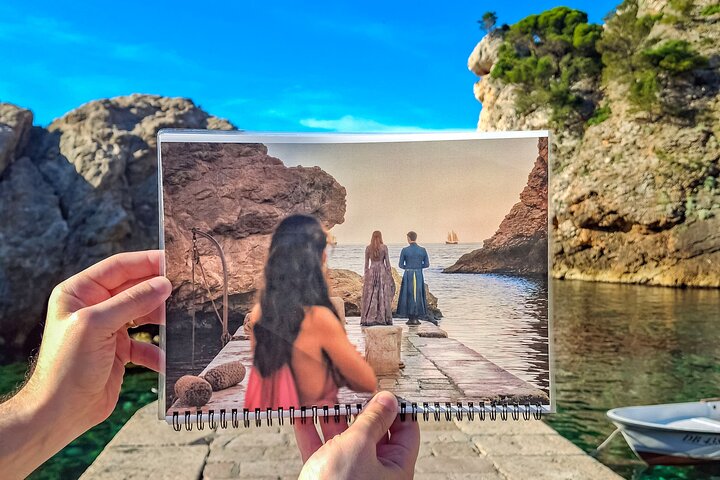
In Split, people hang laundry above a Roman emperor’s palace. In Pula, concerts play inside a 2,000-year-old arena. And in Dubrovnik, the walls that kept out invaders for centuries were shelled within living memory. Croatia Historical Tours help you make sense of all of it. A good guide connects the stones you see to the people who built, defended and lost them.
Croatia’s history is long and layered. Greeks, Romans, Croatian kings, Venice, the Ottomans, the Habsburgs and Yugoslavia all shaped the country. And much of that past is still standing, often with people living inside it.
This page helps you choose the right type of history tour, the right region and the right time of year. Then use the grid to find a tour that fits. You don’t need to know any history before you go. That’s what the guide is for.
Key Takeaways
- Croatia Historical Tours cover Roman ruins, medieval towns, fortresses, Venetian and Habsburg heritage, and 20th-century history.
- Top sites include Diocletian’s Palace, Salona, the Pula Arena, Dubrovnik’s walls and Klis Fortress.
- Recent history matters too. Dubrovnik and Vukovar tours cover the 1990s war.
- The best months are April–June and September–October. They’re cooler for walking around ruins and fortresses.
- Choose a licensed local guide. Many protected sites in Croatia require one.
- Check what’s included. Entry tickets to walls, museums and sites often cost extra.
A Short History of Croatia
Knowing the main periods makes any tour easier to follow. Here’s the short version.
- Prehistory. Neanderthals lived near Krapina around 125,000 years ago. Later, the Vučedol culture flourished near Vukovar.
- Illyrians and Greeks. Illyrian tribes held the coast. Greek colonists founded towns on Vis and Hvar in the 4th century BC.
- Romans. Rome took over the region, then called Dalmatia. Salona near Split became its capital. Emperor Diocletian built his palace in Split around 300 AD.
- Croatian kingdom. Croats settled in the 7th century. Tomislav is traditionally seen as the first king, crowned around 925. From 1102, Croatia was joined to Hungary.
- Venice and Dubrovnik. Venice ruled most of Dalmatia and Istria for centuries. Dubrovnik stayed an independent republic until 1808.
- Ottomans and Habsburgs. The Ottomans took much of inland Croatia. The Habsburgs built a fortified border zone, the Military Frontier, against them.
- Yugoslavia. After World War I, Croatia joined the new state that became Yugoslavia. After World War II, it was part of Tito’s socialist Yugoslavia.
- Independence. Croatia declared independence in 1991, followed by war until 1995. It joined the EU in 2013.
Popular Types of Croatia Historical Tours
Most Croatia Historical Tours focus on one period or theme. Here’s what each type covers and who it suits.
Roman and ancient history tours
Diocletian’s Palace in Split is the big one. It’s less a palace now than a living neighbourhood, with shops and flats built into Roman walls. The cellars underneath show the original layout. Near Split, Salona has the ruins of a Roman city, with an amphitheatre, baths and early Christian sites. It’s quiet, and often almost empty.
In Istria, the Pula Arena is one of the best-preserved Roman amphitheatres in the world. Pula also has a Roman temple and a triumphal arch. Zadar’s Roman Forum sits right in the middle of town. Near Metković, the Narona museum is built over a Roman temple.
Medieval and early Croatian history
Tours here focus on the early Croatian kingdom. Nin, near Zadar, was an early royal and church centre. It has the tiny Church of the Holy Cross, often called the smallest cathedral in the world. In Zadar, the round Church of St Donatus dates from the 9th century. On Krk, the Baška tablet is one of the oldest texts in Croatian. It’s written in Glagolitic, the early Croatian alphabet.
Dubrovnik Republic tours
For centuries, Dubrovnik was a small independent republic that survived on trade and diplomacy. Tours explain how it worked, from the Rector’s Palace where the leader lived for just one month at a time, to its early quarantine system. Walking the city walls shows how seriously it took defence. The walls run about 2 km around the Old Town.
Fortress and castle tours
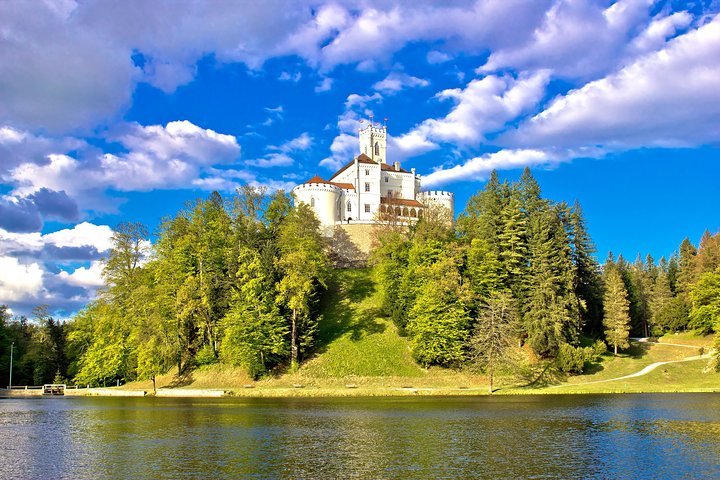
Klis Fortress, above Split, guarded the pass inland for centuries before falling to the Ottomans in 1537. Šibenik has four fortresses, including St Nicholas, which guards the channel into the town. In the north, Trakošćan and Veliki Tabor are castles in the Zagorje hills. Nehaj Fortress in Senj tells the story of the Uskoks, local fighters who raided Venetian and Ottoman ships.
Venetian and Habsburg heritage
Venice left its mark on Zadar, Šibenik, Hvar, Korčula and Istria. Look for winged lions on the town gates, loggias on the squares and bell towers that copy St Mark’s. In the north, Zagreb, Varaždin and Osijek show the Habsburg side, with baroque churches, wide squares and old fortress towns.
20th-century and Yugoslav history
Some tours cover Croatia’s time in Yugoslavia. The Brijuni islands, off Istria, were Tito’s summer residence, where he hosted world leaders. Goli Otok, near Rab, was a political prison camp. Its empty, ruined buildings can be visited by boat. In Zagreb, some tours focus on socialist-era history and architecture.
Homeland War tours
The war of 1991–1995 is still recent, and these tours can be emotional. In Dubrovnik, a museum in the fort on Mount Srđ covers the siege of the city. In Vukovar, the damaged water tower and memorial sites tell the story of the town’s long siege in 1991. Guides on these tours often lived through it themselves.
Best Regions for Historical Tours in Croatia
Each region tells a different part of the story. Here’s where to go for each.
Split and Central Dalmatia
Best for Roman history. Diocletian’s Palace, Salona and Klis Fortress are all close together. Trogir is a short drive, and Hvar’s Stari Grad has Greek roots.
Dubrovnik and the south
Best for the Dubrovnik Republic and the Homeland War. Add Ston’s long medieval walls and the Roman site of Narona.
Zadar, Šibenik and Nin
Best for early Croatian and Venetian history. Zadar’s Forum, Nin’s royal past and Šibenik’s fortresses are all within an hour.
Istria and Kvarner
Best for Roman Pula, Venetian towns like Rovinj, and Tito’s Brijuni. In Kvarner, you can see the Baška tablet on Krk and Goli Otok near Rab.
Zagreb and northern Croatia
Best for Habsburg history, castles and museums. Varaždin’s baroque centre and the castles of Zagorje are easy day trips. The Krapina Neanderthal Museum is about an hour away.
Slavonia
Best for Vukovar, the prehistoric site of Vučedol and Osijek’s baroque fortress town, Tvrđa. It’s far from the coast and less visited, but it’s an important part of the story.
When to Go: Season by Season
Croatia Historical Tours run all year, since most sites stay open. But the weather makes a big difference at open-air ruins.
Spring (April–June). This is ideal. It’s mild for walking around ruins and fortresses, and crowds are manageable.
Summer (July–August). Hot, often above 30°C. Sites like Salona, Klis and Dubrovnik’s walls have little shade. Go early in the morning. Old towns get very busy.
Autumn (September–October). Warm, calmer and one of the best times for history tours. Some smaller sites start shorter hours from October.
Winter (November–March). Cool and quiet. You’ll often have sites almost to yourself. Some open-air sites and island trips close or run reduced hours. Check before you go.
How to Choose the Right Historical Tour
Two history tours of the same town can be very different. Use this checklist when you compare tours in the grid.
- Licensed guide. In Croatia, many protected sites require a licensed guide. Ask before you book.
- Period or theme. Some tours cover everything briefly. Others go deep on Roman, medieval or war history. Pick what interests you.
- Group size. Smaller groups mean more questions and less shouting over crowds. Private tours suit serious history fans.
- Walking and terrain. Fortresses and ruins often mean steps, slopes and uneven ground. Check if mobility is an issue.
- Entry tickets. Some tours include entry to sites, walls or museums. Others don’t. Check, because costs add up.
- Tone. War history tours can be heavy. Read the description, and think about whether it suits kids in your group.
- Language. Most tours run in English. Ask if you need another language.
- Cancellation. Look for free cancellation in case plans change.
Practical Tips Before You Go
- Wear good shoes. Old stone is slippery, and ruins are uneven.
- Bring water and a hat. Many ruins and fortresses have little shade.
- Dress for churches. Cover shoulders and knees if you plan to go inside.
- Check opening days. Many museums close on Mondays or have shorter hours out of season.
- Be respectful at memorials. War sites and memorials are places of mourning for many locals.
- Look for city passes. Dubrovnik and Zagreb have city cards that can cover several sights. Check current prices and what’s included.
- Know the emergency number. Call 112 for any emergency in Croatia and the EU.
- Check entry rules. Rules depend on your nationality and can change. Check before you travel.
Final Thoughts
Croatia’s history isn’t hidden in museums. It’s in the walls you lean on, the squares you cross and the stories locals still tell. A good guide helps you see it.
Start with the period that interests you most, whether that’s Roman, medieval, Venetian or modern. Then pick a region and a season to match.
The Croatia Historical Tours above cover all of it. Browse the grid, check what’s included and pick the tour that suits you.
Frequently Asked Questions
What are the best historical tours in Croatia?
- Diocletian’s Palace and Salona near Split
- Dubrovnik’s Old Town and city walls
- Pula Arena and Roman Istria
- Klis Fortress above Split
- Zadar, Nin and Šibenik
What is the oldest historical site in Croatia?
The Neanderthal site at Krapina is among the oldest, at around 125,000 years. For towns, Greek settlements on Vis and Hvar date back to the 4th century BC.
What's the difference between historical and cultural tours?
Historical tours focus on events, people and periods, like Roman rule or the Dubrovnik Republic. Cultural tours focus more on art, music, food and traditions. Many tours mix both.
Are war history tours suitable for kids?
It depends on the child. These tours cover recent and painful events. They’re usually best for teenagers and adults. Read the tour description first.
When is the best time for historical tours?
April–June and September–October. It’s cooler for exploring ruins and fortresses, and there are fewer crowds.
What should I bring?
- Comfortable shoes with good grip
- Water and a hat
- Sunscreen
- Clothes that cover shoulders and knees for churches
Do I need to book entry tickets separately?
Sometimes. Some tours include entry to sites, walls or museums. Others only include the guide. Check the tour details before you book.
How far ahead should I book?
For July and August, book a week or two ahead. In spring, autumn and winter, a few days is usually enough.